Understanding Community Choirs and Their Impact
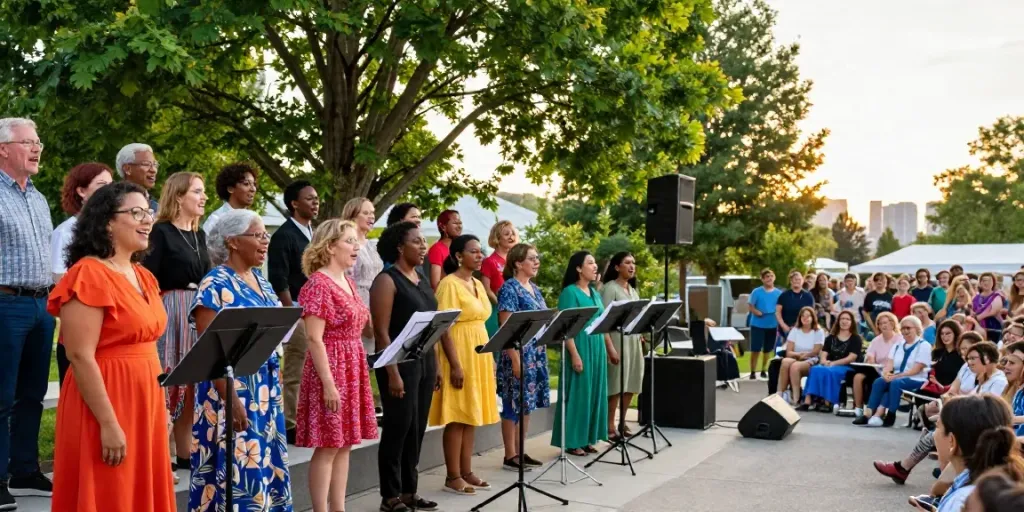
Community choirs play a pivotal role in enriching local culture and fostering connections among individuals. At the heart of these organizations is the belief that music has the extraordinary ability to bring people together, regardless of their background or experience level. Community choirs, such as the Main Street Singers, not only provide a platform for musical expression but also create a supportive environment where members can build lasting friendships and improve their vocal skills. When exploring options, mainstreetsingers.com offers comprehensive insights into the benefits of joining a choir and how such communities can positively impact both individuals and the wider community.
What is a Community Choir?
A community choir is a group of singers from various backgrounds who come together to rehearse and perform music, typically under the guidance of a conductor. These choirs often focus on fostering a love for music rather than achieving high-level, competitive performance. Members can range from seasoned vocalists to complete beginners, creating a welcoming environment that encourages participation. While some community choirs may specialize in certain genres, many embrace a diverse repertoire that includes traditional, contemporary, and even pop music.
The Benefits of Joining Main Street Singers
Joining a community choir like the Main Street Singers comes with numerous benefits:
- Musical Development: Members receive vocal training and improve their singing skills through regular practice and professional guidance.
- Social Connections: Choirs provide a unique opportunity to meet people and foster friendships, creating a sense of belonging.
- Emotional Well-being: Singing in a choir has been shown to reduce stress and anxiety, promoting mental health and well-being.
- Community Involvement: Choirs often participate in local events and outreach programs, giving members a chance to contribute to their community.
Community Engagement Through Music
Music is a universal language that transcends barriers, making it an effective tool for community engagement. Community choirs like the Main Street Singers often collaborate with local organizations, schools, and charities to promote cultural events and support charitable causes. Through concerts and performances, these choirs not only entertain but also educate audiences on the importance of music in society. Such engagement fosters a deeper appreciation for the arts and encourages community bonding.
Choosing the Right Choir for You
MainStreetSingers.com: Choir Diversity and Inclusion
When looking for a choir that resonates with your personal and musical values, diversity and inclusion should be at the forefront. The Main Street Singers exemplify these principles, welcoming individuals from all walks of life, regardless of age, race, or musical experience. This inclusivity not only enriches the choir's musical offerings but also creates an environment where everyone feels valued and accepted. As you explore your options, seek out choirs that champion diversity and actively encourage participation from underrepresented groups.
Evaluating Your Musical Goals and Interests
Before committing to a choir, it’s essential to reflect on your musical goals and interests. Ask yourself the following questions:
- What genre of music do I enjoy the most?
- Am I looking to develop my vocal skills, perform regularly, or just enjoy singing with others?
- How much time can I dedicate to rehearsals and performances?
By answering these questions, you can better assess which choir aligns with your aspirations, ensuring a fulfilling musical journey.
Tips for Finding the Best Fit in Local Choirs
Finding the right choir can be an enriching experience. Here are some tips to help you in your search:
- Attend Open Rehearsals: Many choirs offer open rehearsals where you can experience the group dynamic and meet current members.
- Listen to Past Performances: Check if choirs share recordings of their performances online to get a sense of their musical style.
- Communicate with Choir Leaders: Reach out to choir directors to discuss your interests and see how they align with the choir's focus.
- Seek Feedback: Talk to current or past members about their experiences to gauge if the choir is a good fit for you.
Rehearsals and Performances: What to Expect
A Day in the Life of a Main Street Singer
A typical day as a member of the Main Street Singers begins with a warm-up session, where vocal techniques are practiced followed by a mix of individual and group exercises. Rehearsals often involve learning new songs, refining harmonies, and preparing for upcoming performances. Members are encouraged to provide feedback and collaborate with one another, fostering a sense of teamwork and camaraderie.
Typical Rehearsal Schedule and Activities
The rehearsal schedule for community choirs like the Main Street Singers generally includes weekly sessions, typically lasting between 1.5 to 2 hours. During these rehearsals, members engage in:
- Vocal Warm-ups: Essential to prepare the voice for singing and enhance vocal range.
- Learning New Material: This includes reading music, understanding rhythms, and memorizing lyrics.
- Sectional Practices: Breakout sessions allow singers to focus on their specific voice parts for deeper learning.
- Feedback and Improvement: Choir directors often provide constructive criticism to help members improve their vocal performance.
Upcoming Performances and Community Events
Performances are the highlight of a choir's season, providing members with the opportunity to showcase their hard work. The Main Street Singers typically participate in various community events, local festivals, and seasonal concerts. These performances not only entertain audiences but also serve as a platform for community engagement, attracting more people to the joys of choral music. Members often feel a profound sense of accomplishment after performing, enhancing their connection to the choir and the community.
Strengthening Community Bonds Through Choir
The Role of Music in Community Development
Music serves as a catalyst for community development, promoting inclusivity and understanding among diverse populations. Community choirs play an essential role in this process by bringing together individuals who might not interact otherwise, fostering a sense of unity. Events organized by choirs can stimulate local economies by drawing audiences to concerts, encouraging attendance at other cultural events, and strengthening community pride.
Success Stories from Main Street Singers
The Main Street Singers have numerous success stories that illustrate the choir's impact. For instance, one member joined with minimal singing experience and, through dedicated practice and support from fellow singers, has since taken on solo parts in performances. Testimonials from participants frequently highlight newfound confidence, friendships, and a deepened appreciation for music as a community-building art form.
The Impact of Choir Participation on Individuals
Participation in a community choir offers various benefits to individuals, including:
- Skill Development: Members often experience growth in their musical abilities, including improved pitch and rhythm.
- Social Connections: The choir environment fosters friendships that can last a lifetime.
- Personal Fulfillment: Performing in front of an audience offers a sense of achievement and contributes to a person's personal growth.
Looking Ahead: The Future of Community Choirs in 2026
Emerging Trends in Community Music Engagement
As music evolves, so too does the landscape of community choirs. In 2026, we anticipate several emerging trends:
- Increased Digital Presence: Many choirs are expected to embrace technology, offering online rehearsals and performances to reach wider audiences.
- Focus on Mental Health: The therapeutic benefits of singing and choir participation are likely to be emphasized, attracting individuals seeking community support.
- Diverse Repertoire: Community choirs will likely continue to diversify their musical offerings to include a broader range of genres, appealing to various demographics.
Predictions for Choir Participation Post-Pandemic
The COVID-19 pandemic has reshaped how community choirs operate, but it has also opened new avenues for participation. Moving forward, we can expect:
- Hybrid Models: Choirs may adopt hybrid models that combine in-person and online rehearsals, allowing flexibility for members.
- Expanded Outreach: Increased efforts to reach underrepresented communities and encourage diverse participation.
- Resilience in Programming: Choirs will focus on creating programming that adapts to changing public health guidelines while still engaging members.
How Main Street Singers Plans to Evolve
As the Main Street Singers look to the future, they aim to embrace these changes while staying true to their mission. By expanding their digital presence, the choir plans to reach more community members and provide a platform for those who may have been overlooked. They will also focus on building partnerships with local organizations to enhance outreach and foster connections within the community.
What Makes Community Choirs Essential?
The essence of community choirs lies in their ability to foster connections and support communal growth. They provide a space for individuals to express themselves, share their experiences, and connect through music. These groups not only enrich the lives of their members but also serve as a vital cultural resource for the entire community, emphasizing the importance of art in promoting understanding and unity.
Engaging with Other Local Choirs?
Collaboration between local choirs can strengthen community ties and offer fresh opportunities for members. Initiatives such as joint concerts, workshops, and outreach programs can enhance the overall choral experience and expand audience engagement. Such partnerships enrich the cultural fabric of the community and provide exciting performance opportunities for singers.
Are Community Choirs Sustainable?
The sustainability of community choirs hinges on several factors, including leadership, funding, and community engagement. By fostering a culture of inclusivity and ensuring strong leadership, choirs can thrive even during challenging times. Additionally, effective fundraising efforts and community support are crucial for maintaining operations and continuing to provide valuable services.